
Part 3
Election Audit
For N Chandrababu Naidu’s 2024 Win, the ECI Recorded an Impossibility After 6 PM. Then Did Not Investigate

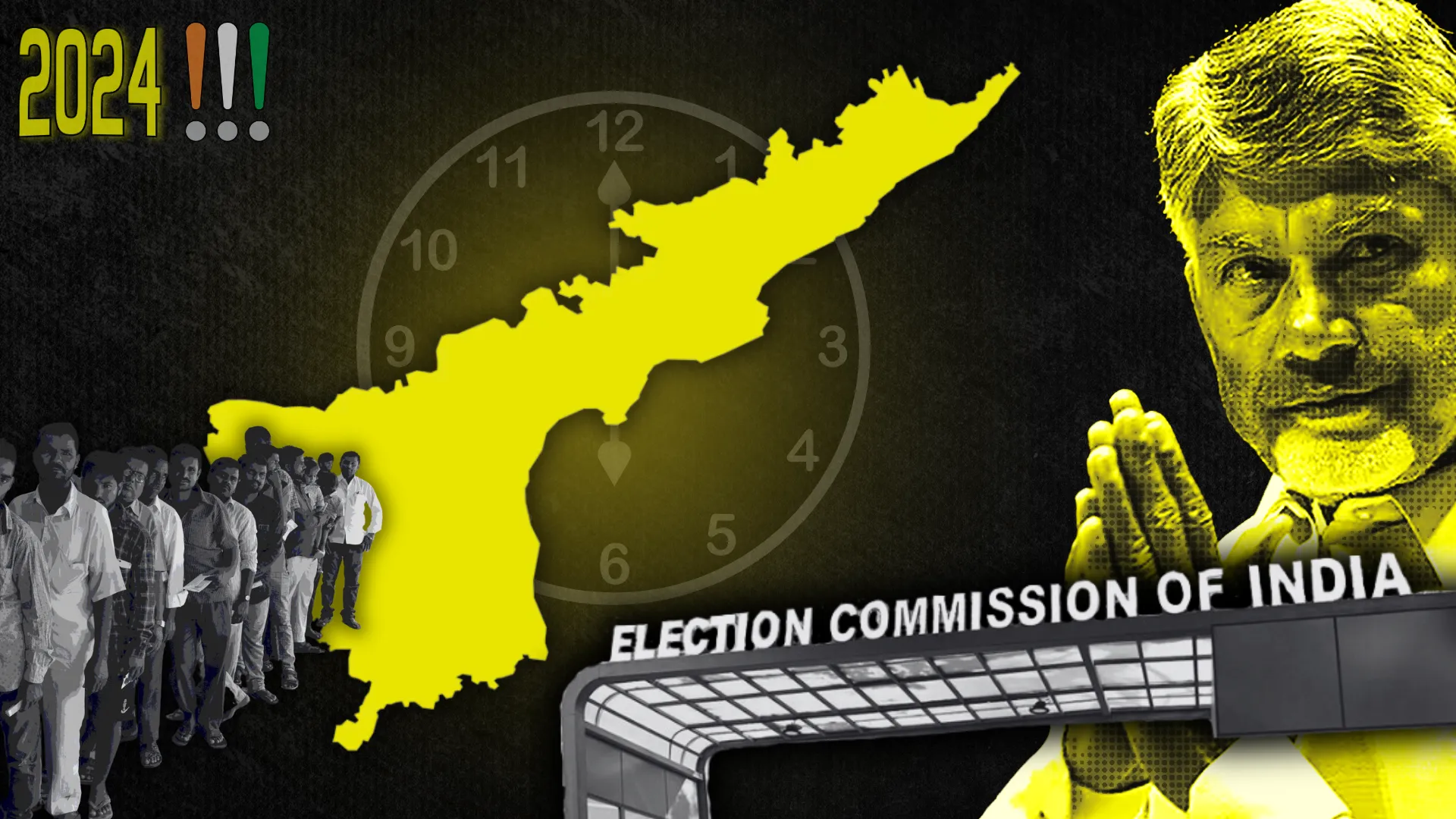


New Delhi: In two different reports sent a day apart to the Election Commission of India (ECI), election officials reported two vastly different numbers of people who voted after 6 pm in Chittoor, Andhra Pradesh, The Reporters’ Collective has found.
In the report for the Chittoor Lok Sabha seat, officials said 56,067 voters were still in the queue at 6 pm, waiting to vote after dark. In the other report, for the seven assembly seats that make up Chittoor, they told the ECI only 24,596 voters stayed on to vote late into the night.
Both counts should have been the same, since the parliamentary and assembly elections were held together, at the same booths, with the same queues.
A difference of more than 31,000 voters should have set off alarm bells at the ECI. Andhra Pradesh’s chief electoral officer (CEO) has admitted that electronic voting machine (EVM) malfunctions and violence kept polling going late into the night, in one case until 2 am. The opposition parties had claimed the unusual late-night polling was a clear sign of systemic rigging.
The missing voters mattered all the more, particularly because the Telugu Desam Party’s (TDP) N Chandrababu Naidu won the Kuppam assembly seat in Chittoor to be anointed the chief minister. Kuppam is one of the seven assembly seats that together form the Chittoor Lok Sabha seat. In 2024, when the Lok Sabha and assembly elections took place simultaneously, the TDP won the parliamentary seat as well as all the seven assembly seats.
The Election Commission of India is the custodian of our votes. The Constitution charges it with holding free and fair elections and ensuring the sanctity of our electoral democracy.
When it turns blind, it should worry us all.
The Election Audit series shows that the ECI failed to watch over polling across the country in 2024.
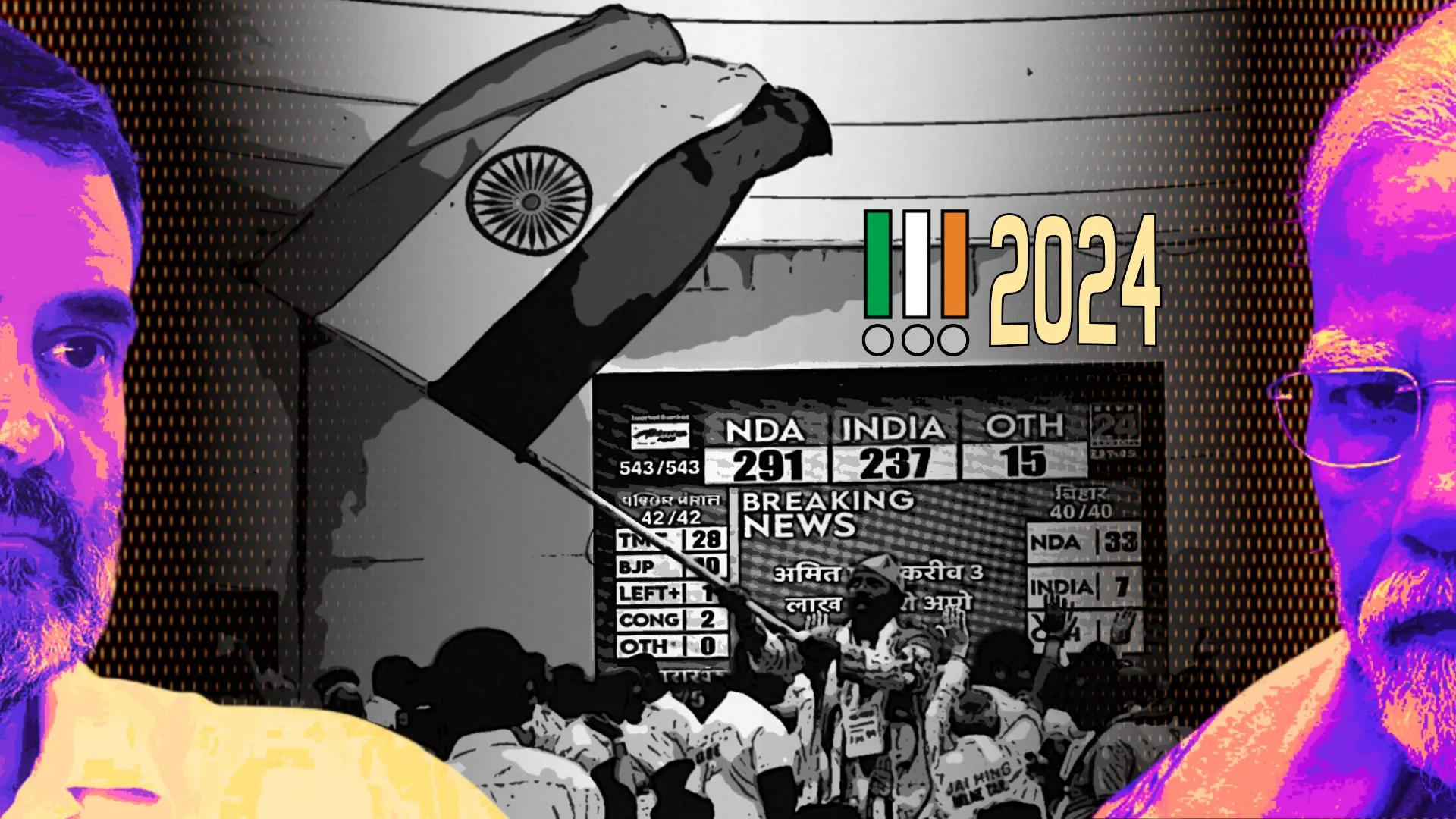
Yet the reports that are meant to red-flag potential rigging, we found, fell into a dark hole in the ECI. These reports are not made public. The Collective accessed and analysed them. This is the third part of our Election Audit series.
We have so far reviewed reports of returning officers for only one parliamentary seat. What transpired in other constituencies is not yet clear.
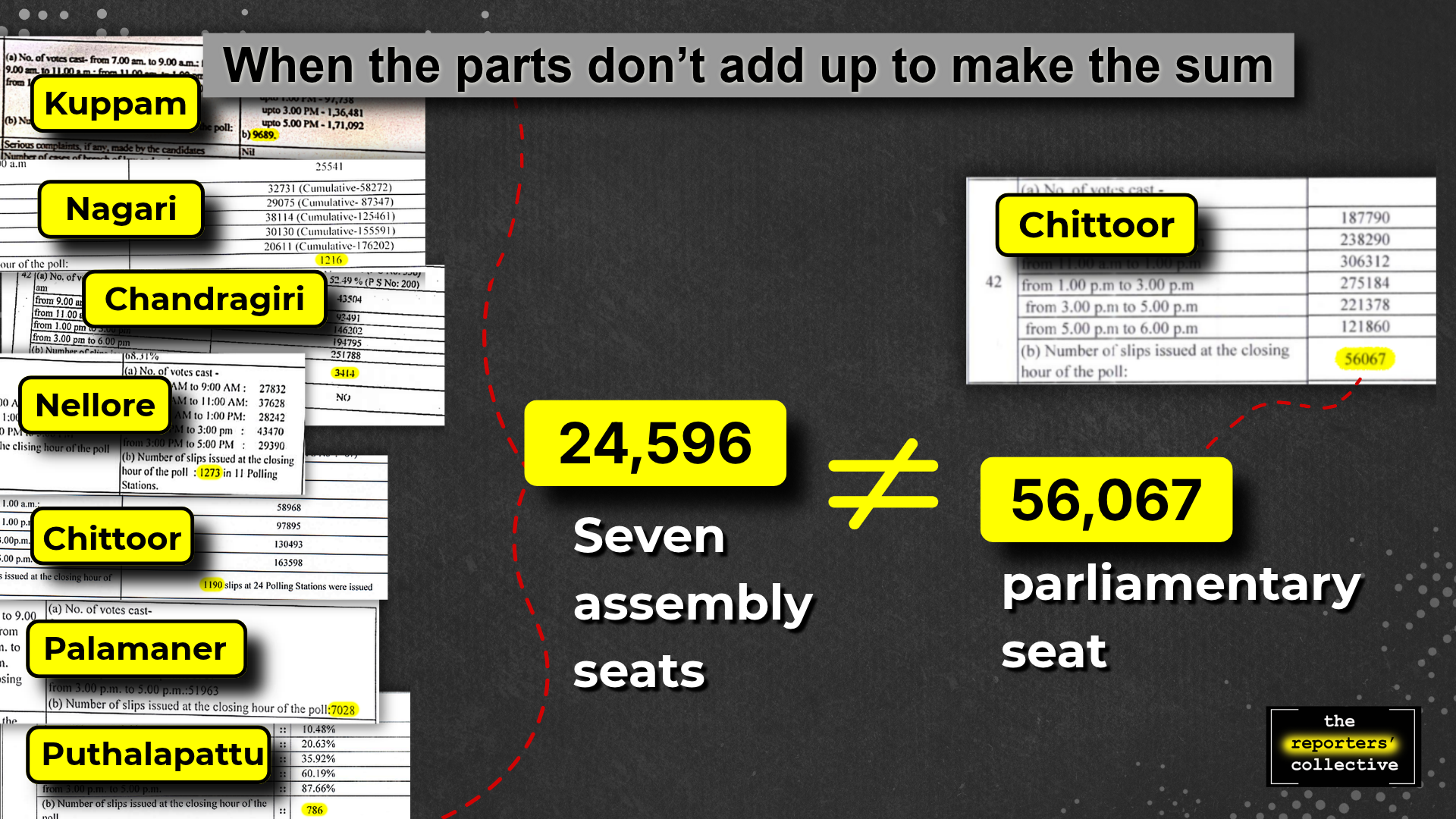
The ECI cannot vouch for the sanctity of the polling after 6 pm in any constituency where these numbers similarly do not match.
How the ECI Keeps a Record of Slips
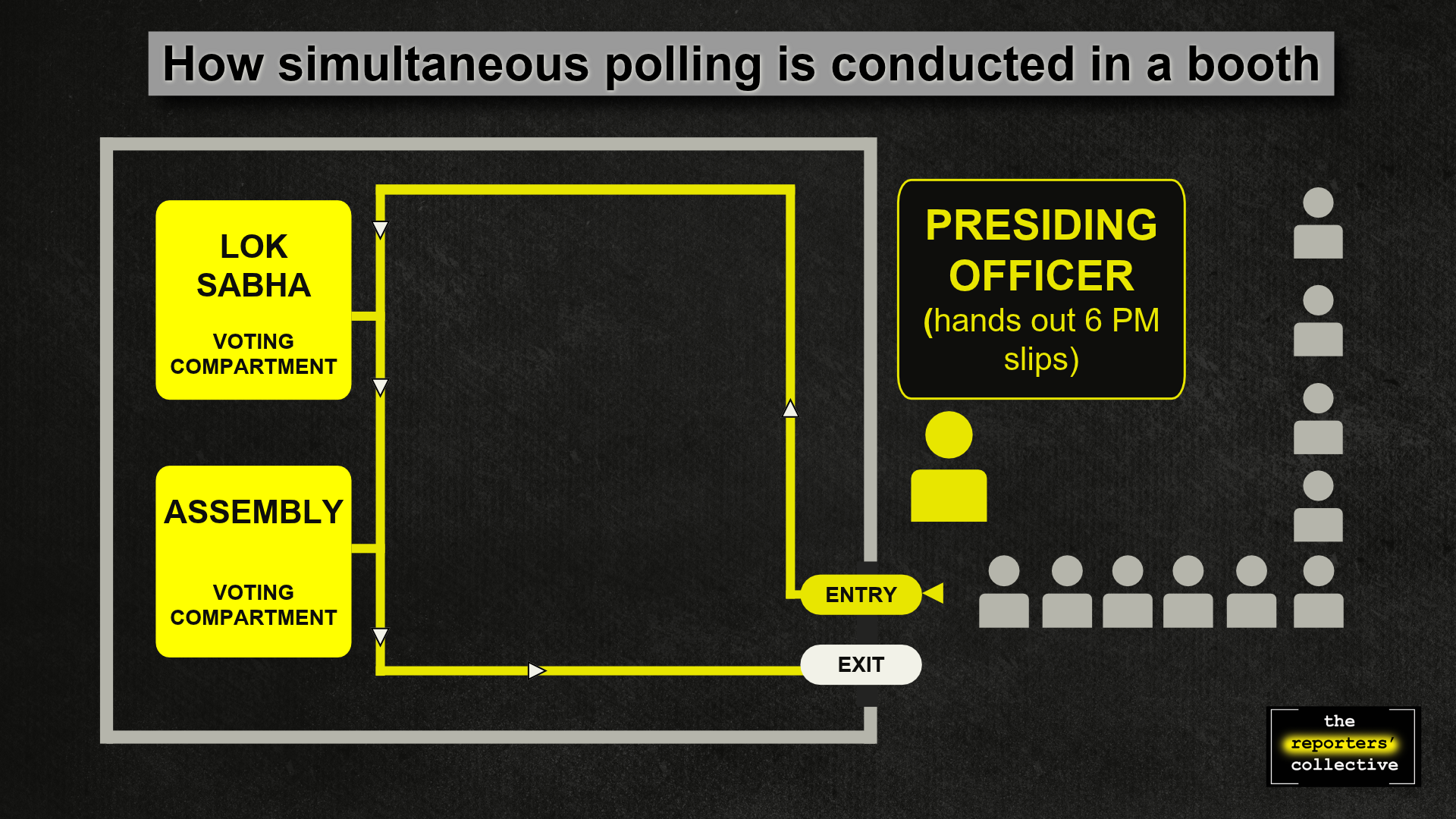
During simultaneous elections, the ECI deploys a bigger team at each booth, consisting of one presiding officer and five polling officers, instead of three polling officers.
The first polling officer verifies a voter’s identity against the voter roll. The second polling officer marks the voter’s left index finger with indelible ink, and gets them to sign the Register of Voters. This register, also called Form 17A, records all the voters who walked into a polling booth to vote.
The third polling officer prepares two identical voter slips, one white and the other pink, and hands them over to the voter.

Support Independent Journalism
We need your support. Your donations will help us remain independent and work without fear.
Donate nowThen, the voter goes to the fourth polling officer, who is in charge of the control unit of the EVM used for the Lok Sabha poll, and hands over the white voter slip to the officer, and casts their vote.
Next, the voter moves to the fifth polling officer, who is in charge of the control unit of the EVM used for the assembly election, and hands over the pink voter slip. The voter is then allowed to cast the second vote.
Pre-numbered slips, different from the voter slips above, are distributed by the presiding officer to people waiting in line at the official closing time, usually 6 pm. Once polling officially closes, only voters with these slips can enter the booth and vote.
Slip number 1 goes to the last person standing in the queue, with the numbers running towards the front. The presiding officer also records the total number of slips issued in their diary.
After polling closes, the presiding officer submits the diary and the Register of Voters to the returning officer, who scrutinises them the next day. If the returning officer spots a red flag, they recommend to the ECI a re-poll at that polling station.
If both the Lok Sabha and Vidhan Sabha elections were held at the same polling station, and the same presiding officer handed out slips to the same queue at 6 pm, how can there be two different headcounts?
THE FOLKS
BEHIND THE Story
Reporter


Reporter
Managing Editor
Founder

Editor

Reporter

Design Editor

Reporter
Support Independent Journalism
The Reporters’ Collective collaboratively produces investigative journalism. In many languages and mediums. We report truthfully and bring out facts that the powerful prefer to keep hidden from citizens.
Besides courage and integrity, such reporting requires resources. We need your support. We need citizens to donate to keep us going and keep our work free to read for those who can’t afford to pay. Your donations will help us remain independent and work without fear.
You can change how much you give or cancel your contributions at any time.
By proceeding, you are agreeing to our Terms and Conditions. To find out what personal data we collect and how we use it, please visit our Privacy Policy.

