.avif)
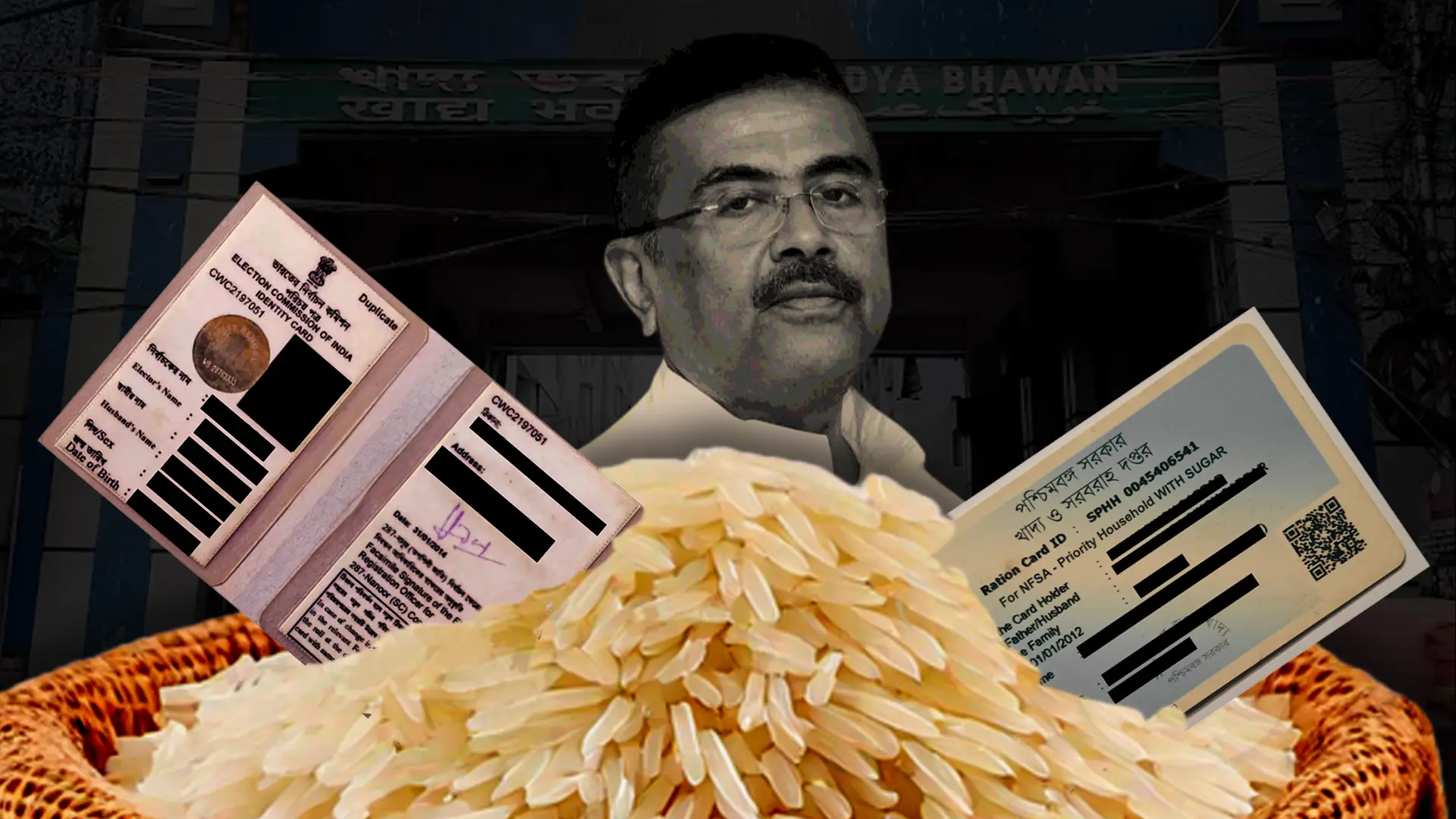


New Delhi: When the Election Commission of India launched the Special Intensive Revision of electoral rolls in West Bengal, the political narrative came with a popular hook: it was pitched as a surgical tool to weed out thousands of illegal infiltrators, who were supposedly masquerading as registered voters.
The narrative was further fuelled by political leaders. In his election campaign speeches on the heels of the revision in Bengal, Prime Minister Narendra Modi promised on the campaign trail that “illegal infiltrators” and those helping them access state welfare schemes would be held accountable. And so did his party members, like BJP leader and Union Home Minister Amit Shah, who implied this “detect, delete, and deport” blitz would cleanse the state electoral rolls of foreigners.
West Bengal’s new leadership took it a step further. Two days after he was sworn in as chief minister of West Bengal, Suvendu Adhikari told the media on May 13 that “no deceased person, illegal infiltrator, or non-Indian individual will be allowed to avail benefits meant for citizens of the state.”
The Reporters’ Collective reviewed a copy of the order issued by the state government after Adhikari’s claims.
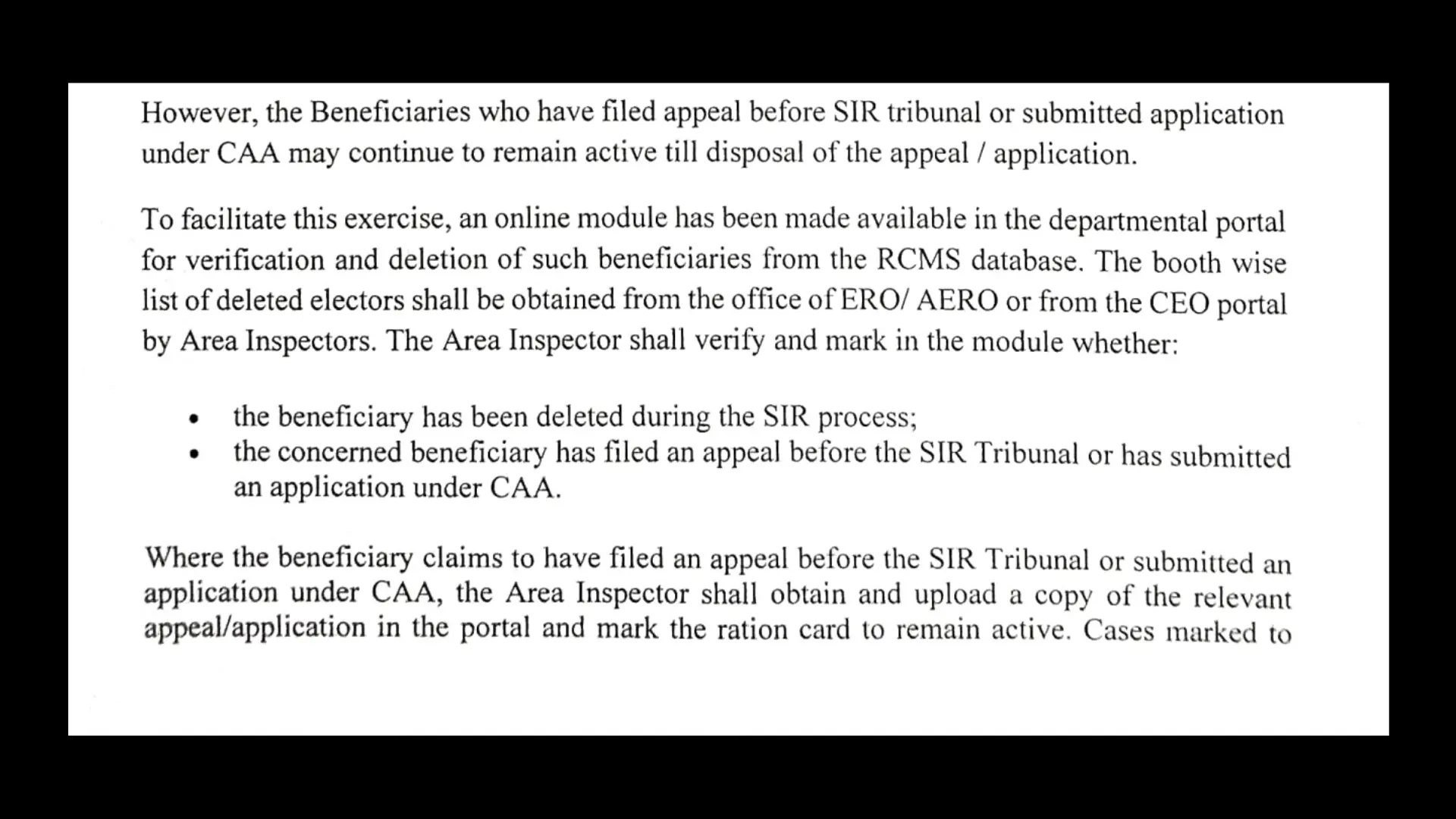
The order does not ask state officials to remove either ‘illegal infiltrators’ or ‘non-Indian’ individuals from the beneficiary list of the subsidised food scheme. The order was sent on June 4.
The order instead requires the state officials to remove voters who were found dead, shifted, absent, or those holding more than two voter identity cards during the Special Intensive Revision (SIR) of the voter list from the subsidised scheme. The order also asks for the removal of voters who were identified as suspicious during the revision and later confirmed, after adjudication, to have submitted incorrect details.
The order went beyond the SIR deletions to decide who is eligible for subsidised food. It authorised polling officers to re-verify voters who had already been cleared by SIR but were later found missing before the polls, for inclusion in the Public Distribution System (PDS) list. The verification method used for this category of voters is not clear.
It was expected. The SIR process, to begin with, did not explicitly identify anyone holding voter identity cards as ‘illegal’ immigrants.
The rhetoric of the Election Commission of India (ECI) then, and of the West Bengal chief minister now targeting ‘illegal infiltrators’ was just that: Rhetoric.
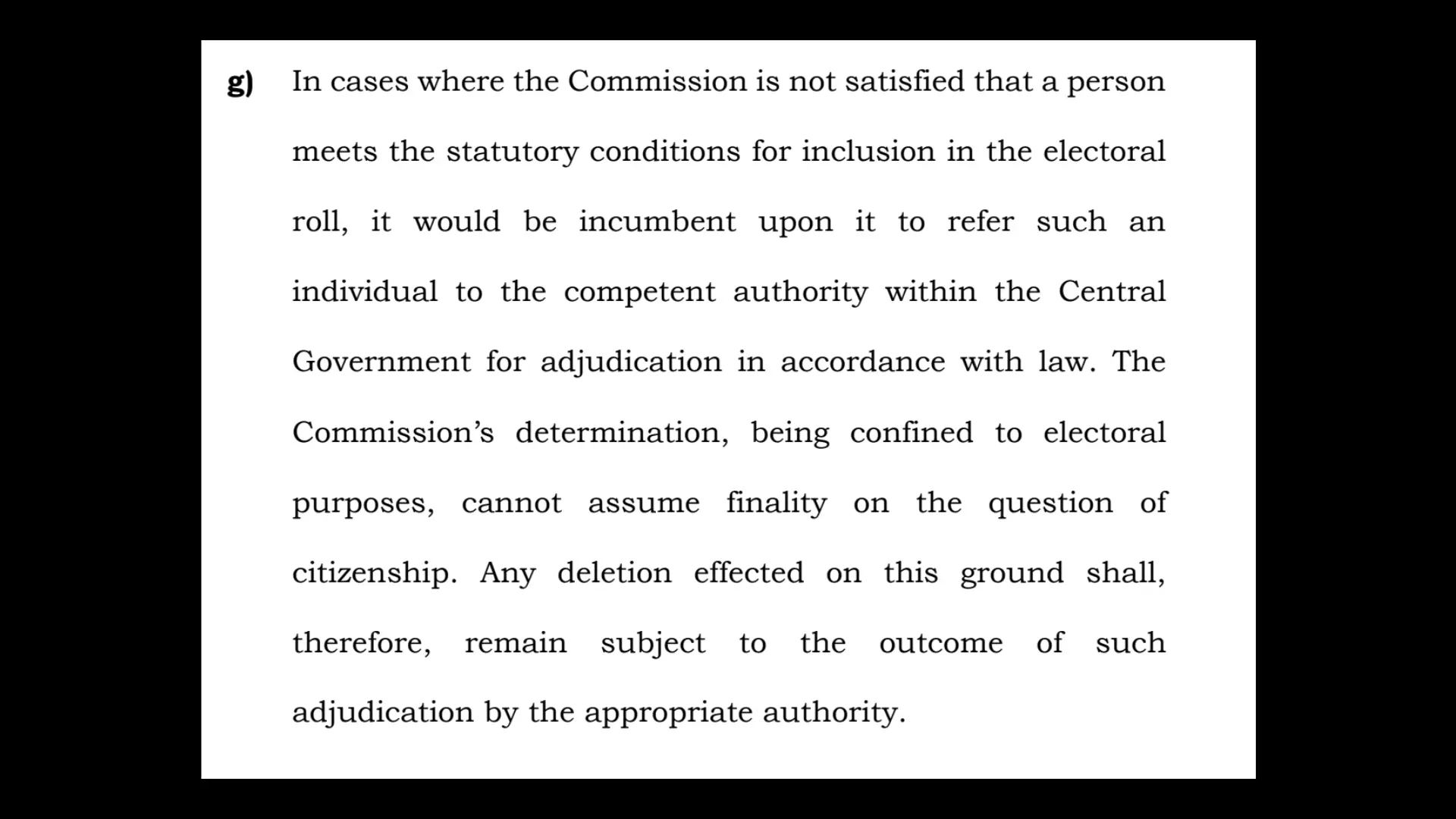
The Supreme Court of India too fell for it. In its final judgment upholding the legality of SIR on May 27, it asked the ECI to share the names of individuals identified as non-citizens, who Adhikari calls ‘non-Indians’, on the electoral roll with the Ministry of Home Affairs within four weeks.
At the same time, the apex court ruled that deletion from the voter rolls during SIR would not result in the cancellation of an individual’s citizenship rights, but clarified that the ECI could only examine citizenship claims for the ‘limited’ purpose of electoral revision.
So far the ECI has not publicly disclosed if such a list of suspected non-citizens was even compiled during the SIR in West Bengal. But that has not stopped the rhetoric. BJP leaders, including the West Bengal chief minister, have suggested in public statements that those deleted in the exercise would be treated as non-Indians. This goes against the limitations placed by the Supreme Court on what SIR deletions would mean for an individual’s citizenship.
The West Bengal SIR, conducted between November 4, 2025 and February 28, 2026, removed over 91 lakh voters from the state’s electoral roll. Of these, approximately 34 lakh had appealed their deletion before SIR tribunals by mid-April. The state election commission has not publicly disclosed how many of these appeals have been disposed of. Local activists, however, have documented over 2,300 appeals disposed of by SIR tribunals by the end of April – a fraction of the pending appeals. The commission did not reply to our questions on the matter.
{{cta-block}}
Deleted from welfare lists
On June 4, the West Bengal Food and Supplies Department announced a twelve-day verification and deletion exercise to weed out ineligible PDS beneficiaries – for subsidised foodgrain and basic commodities – based on the outcome of the SIR. The deadline was June 15.
Unlike the political rhetoric, The Collective found that the exercise to purge beneficiaries from the state’s PDS was effectively removing individuals without identifying them as non-Indians.
To “verify” officials had to conduct two checks: whether those deleted during the revision had filed an appeal before SIR tribunals, or had applied for Indian citizenship under the Citizenship Amendment Act (CAA). All others, if verified, would be recommended for deletion from the list of PDS beneficiaries.
A district magistrate in south West Bengal told The Collective that the state plans to use this updated beneficiary list for other welfare schemes of the state.
Agnimitra Paul, the minister for women and child development in West Bengal, has already expressed one such plan. She said that women deleted during SIR would not get benefits from the state’s cash handouts to women under the Annapurna Bhandar scheme – called Lakshmir Bhandar under the TMC government.
“Those [women] who were getting Lakshmir Bhandar will now get Annapurna Bhandar and the names that were deleted (in SIR) their names will be analysed… Bangladeshis and Rohingyas, the non-citizens, are not eligible for the scheme,” she said in a statement on May 13. “People who have appealed for the deletion will get [the benefits]. People who have applied under CAA will also be eligible for the scheme.”
Has ECI identified non-citizens?
The ECI cited the presence of illegal migrants in electoral rolls across the country to justify the revision exercise when it announced it last year.
“Various reasons such as rapid urbanization, frequent migration, young citizens becoming eligible to vote, non-reporting of deaths and inclusion of the names of foreign illegal immigrants have necessitated the conduct of an intensive revision so as to ensure integrity and preparation of error-free electoral rolls,” the ECI noted while announcing the exercise on June 24, 2025.
It has since failed to publicly share any statistics on foreigners or non-Indians found in the rolls.
The conditions for deletion, as listed by the ECI during the SIR, especially in the second phase that included revision in West Bengal, did not explicitly include being non-Indian as a reason for removal from the rolls.
Despite this, according to the June 4 order, the West Bengal government is using SIR deletions to remove individuals from PDS, and potentially from other welfare schemes.
According to the notification, “Area Inspectors” tasked with door-to-door verification must access booth-wise lists of deleted voters from their constituency’s Electoral Roll Officer and conduct physical verification. This verification exercise is limited to upholding the SIR decision and is silent on any question of citizenship.
The Collective sent questions to the West Bengal election commission, the chief minister’s office, and the Food and Supplies Department, asking whether a list of suspected “non-Indians” had been compiled and shared by election authorities with the state government. None of them had responded at the time of publication. The copy will be updated if a response is received.
We also asked the Election Commission, if it has shared a list of suspected non-Indians with the Ministry of Home Affairs, as mandated by the Supreme Court. We are awaiting a response.
Right after the new government’s first cabinet meeting, Adhikari promised that his government would purge infiltrators feeding on state welfare schemes. But instead of producing a verified list of claimed foreign infiltrators, the state government is actively weaponising SIR, an exercise to purify voter lists, as a tool of exclusion – one that could strip lakhs of citizens of state benefits without the government ever producing a single verified infiltrator.