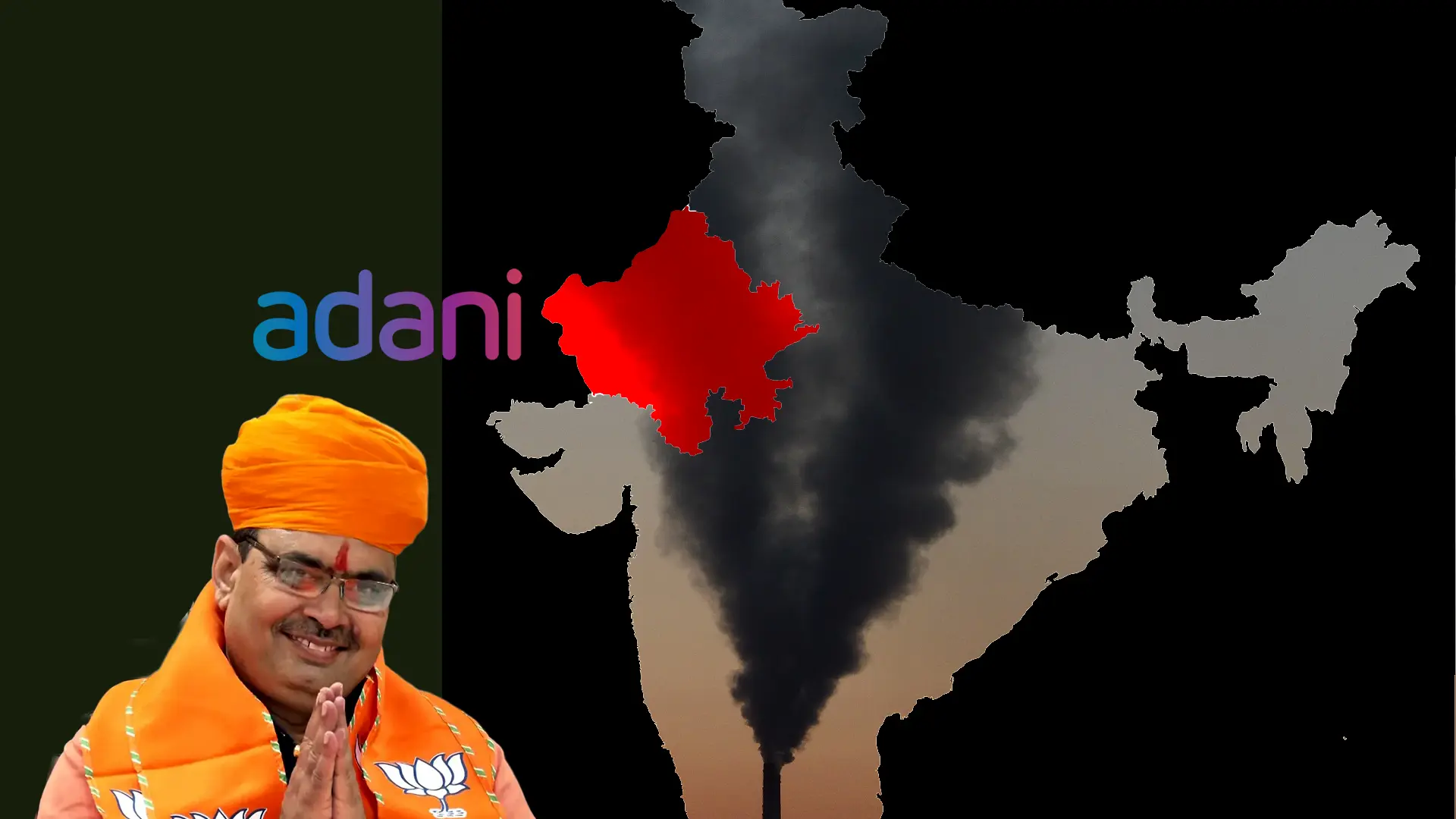


New Delhi: Once rebuffed by the state electricity regulator, the BJP-ruled Rajasthan government has again pushed for a massive 3,200 MW coal power plant that closely matches the Adani Group's plans.
This time, to provide additional justification for the long-term thermal tender, Rajasthan proposes prematurely retiring a few existing coal-fired plants, some of which it has invested in and upgraded. Until recently, the state described some of these plants as “performing well” and capable of operating “up to 2030 and beyond.”
The state has also cast doubts over its own agreements with Union government-owned power companies to jointly expand thermal capacities to justify the need for the new 3,200 MW project.
It has also raised doubts about Narendra Modi government’s nuclear power plans. It has written to the state regulatory commission claiming the nuclear power plant being set up by the Union government in the state is unlikely to be running in time. It has also claimed the state cannot rely on more renewable energy sources and needs new coal to power its economic growth.
As a consequence, it has said it will face a power supply gap by 2035 that can be filled only by building the new coal power plant. The terms that Rajasthan has set for the new plant are tailored to fit Adani Power's expansion of the existing 1,320 MW power plant in Kawai by exactly 3,200 MW.
We reached out to the state government, the Central Electricity Authority (CEA), and the Adani Group for comments on detailed questions. None had responded by the time of the story’s publication. The story will be updated if they do.
The Reporters’ Collective had reported on the Rajasthan government’s initial bid to get an approval for the 3,200 MW coal plant mirroring Adani Power’s expansion plans. This report tracks how Rajasthan has doubled down on its desire to have the coal power plant.
{{cta-block}}
The Shoot Down Order
The Rajasthan Electricity Regulatory Commission (RERC) first shot down the Rajasthan government’s proposal for the massive 3,200 MW coal-based power plant on November 18, 2025. The proposal had been put forward by the state-owned Rajasthan Urja Vikas and IT Services Limited (RUVITL).
Even in the characteristically terse bureaucratic language of official records, the commission delivered some scathing remarks.
First Reason for Rejection
Rajasthan wanted this 3,200 MW plant to be established within state boundaries. This would support Adani Group’s expansion of its Kawai power plant in the state.
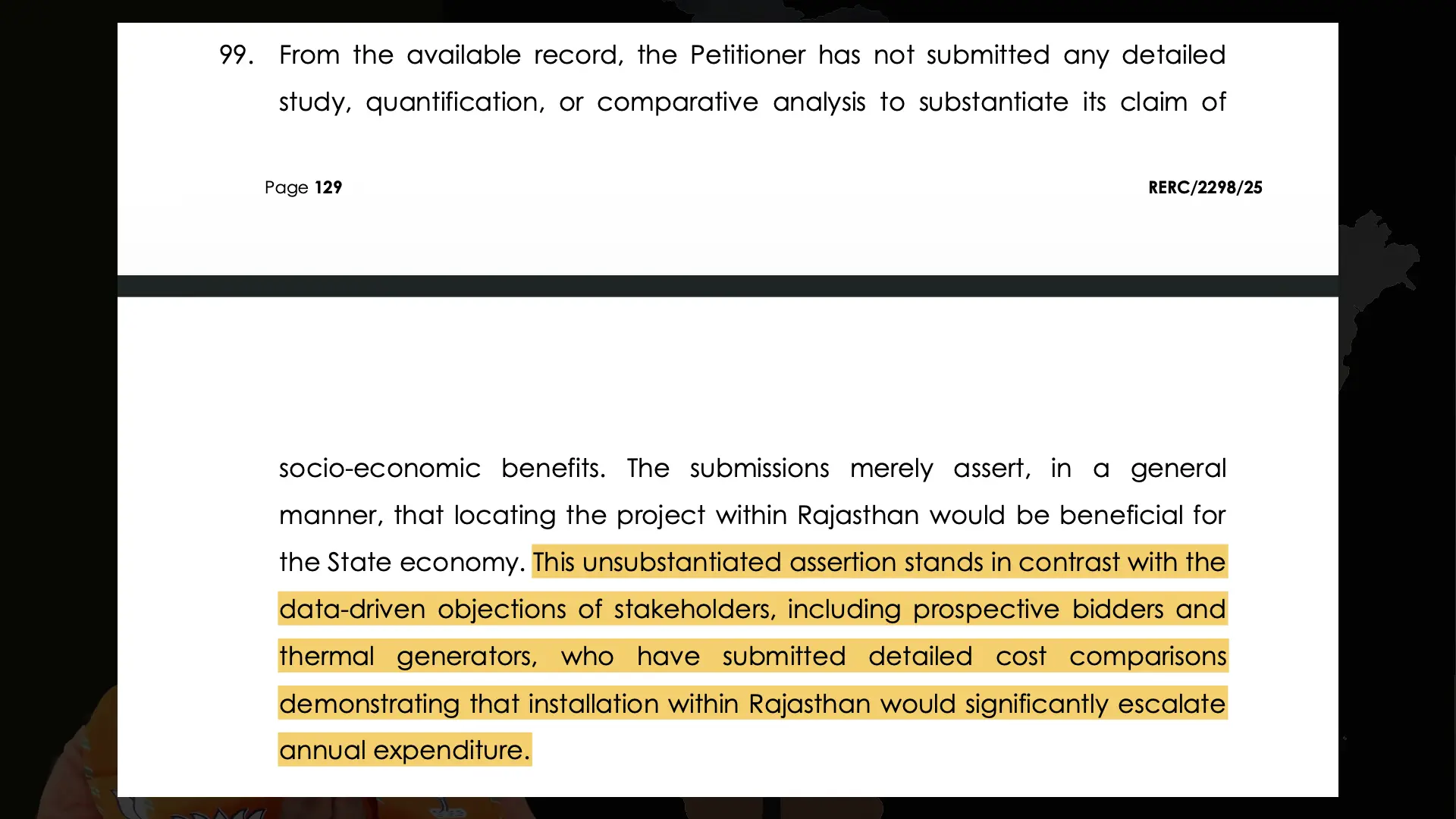
The RERC questioned this rule and said Rajasthan did not provide detailed reasons for why the tender requires the thermal capacity to come up within state boundaries. Initially, there was no such stipulation, but in June 2025, Rajasthan's Finance Department decided to mandate it, citing "social, economic and technical benefits" to the state, we had reported.
“The submissions merely assert, in a general manner, that locating the project within Rajasthan would be beneficial for the State economy. This unsubstantiated assertion stands in contrast with the data-driven objections of stakeholders, including prospective bidders and thermal generators, who have submitted detailed cost comparisons demonstrating that installation within Rajasthan would significantly escalate annual expenditure,” the commission had noted.
Second Reason
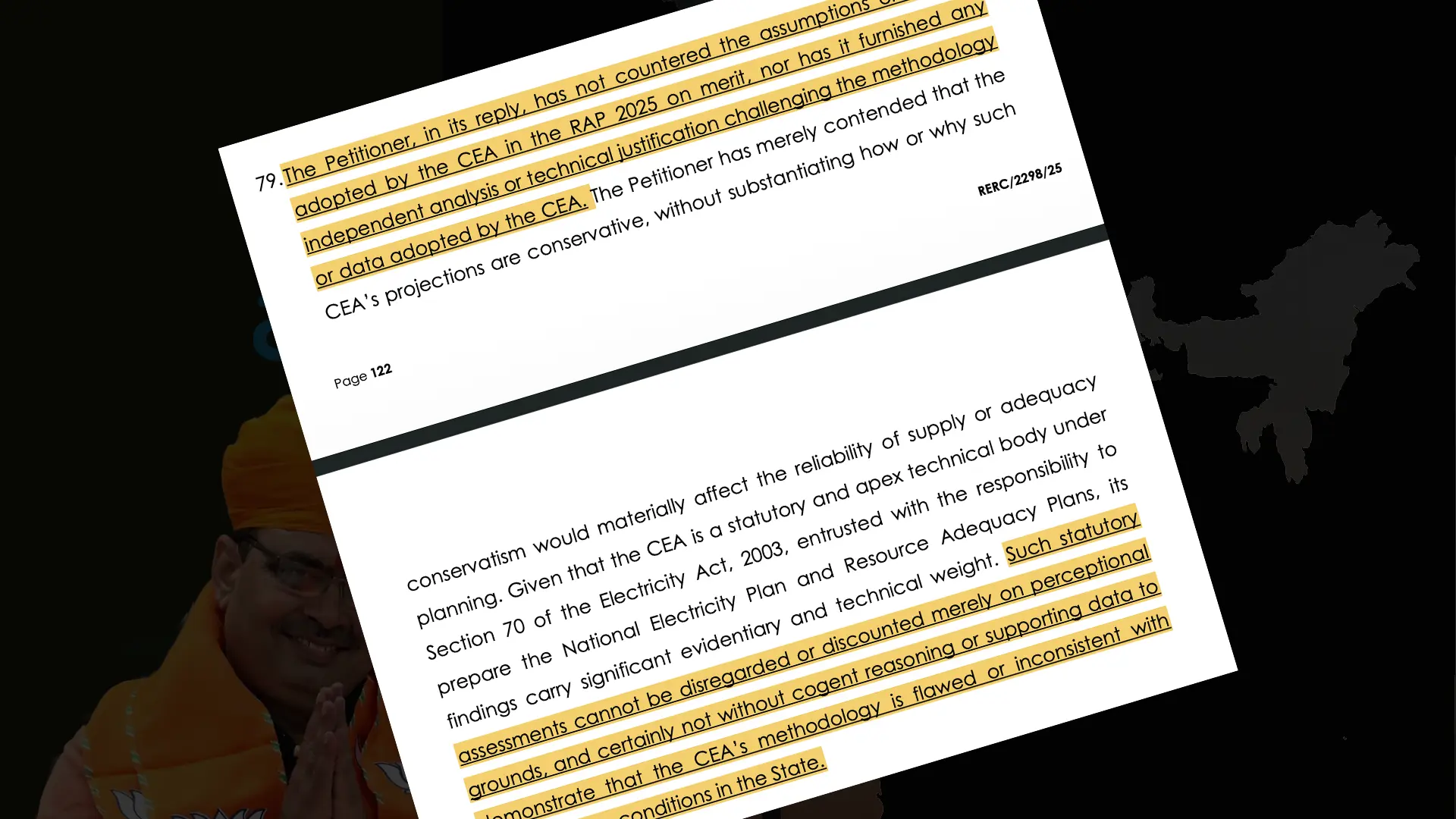
To justify the need for such a massive coal-fired project, the commission noted that the state had gone off the plans drawn for it by the statutory Central Electricity Authority (CEA) under the Union Power Ministry. While the CEA projected a gap of 1,905 MW of coal-fired capacity by 2035, the state said the country’s apex planning authority’s calculations were too “conservative”.
The RERC rejected Rajasthan’s argument and said the state had not provided reasons for countering the CEA’s assessment by showing how “such conservatism would materially affect the reliability of supply or adequacy planning”.
“Such statutory assessments cannot be disregarded or discounted merely on perceptional grounds, and certainly not without cogent reasoning or supporting data to demonstrate that the CEA’s methodology is flawed or inconsistent with actual system conditions in the State,” it had said.
Third Reason
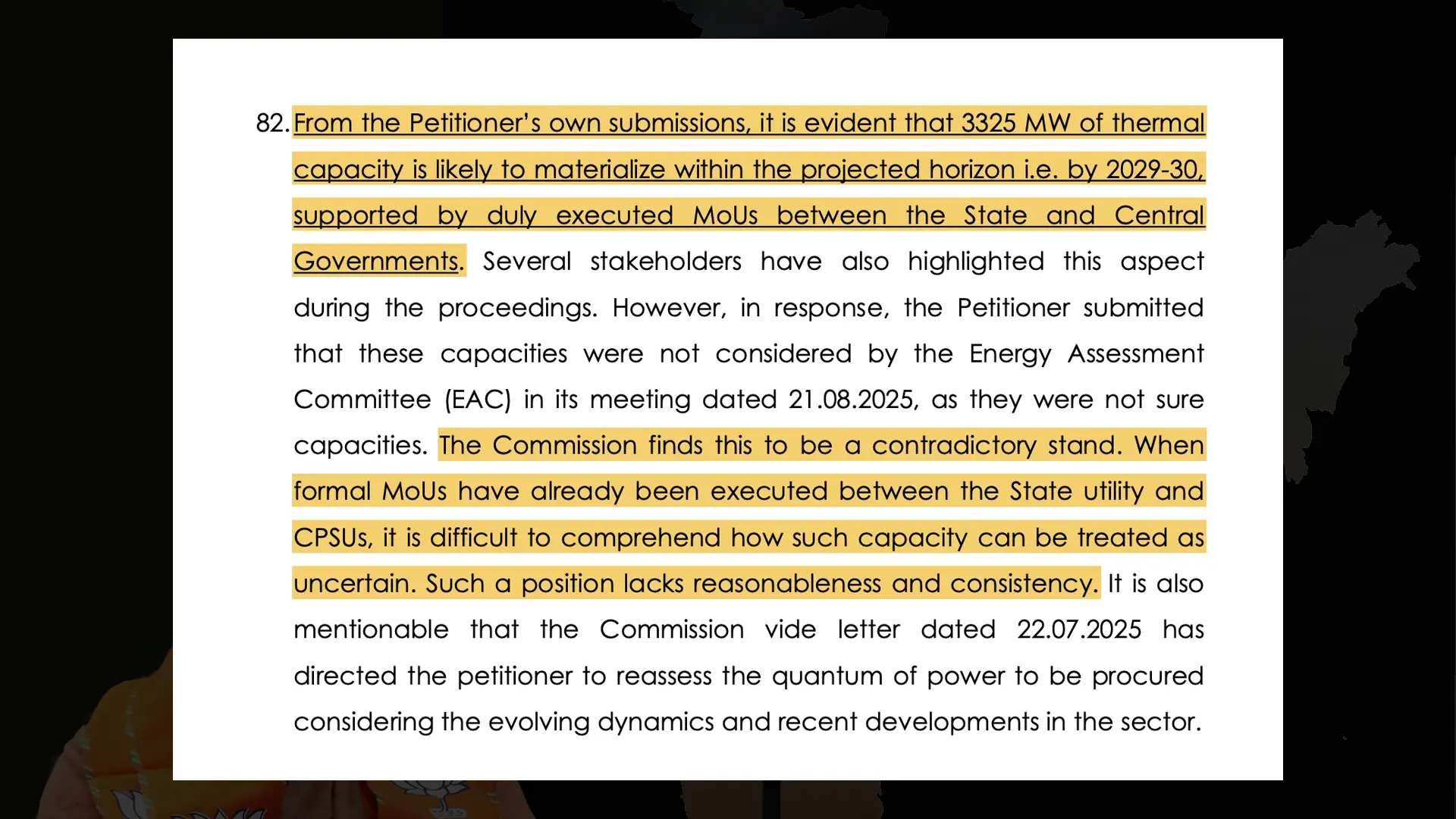
In order to show a power deficit, the Rajasthan government had not mentioned existing plans of state utilities to execute new coal-based capacities together with Union government-run power and coal companies. The commission said excluding planned capacities was “contradictory”, stating that they were expected to commence power supply by 2029-30.
“When formal MoUs have already been executed between the State utility and CPSUs, it is difficult to comprehend how such capacity can be treated as uncertain. Such a position lacks reasonableness and consistency,” the commission had noted.
Fourth Reason
In order to widen the gap between the power capacity the state already had versus what it needed, the Rajasthan government had told the RERC it was going to retire some existing coal power plants adding up to 1,350 MW, something it had not told the central regulator at the time of finalising the Resource Adequacy Plan (RAP) in June 2025.
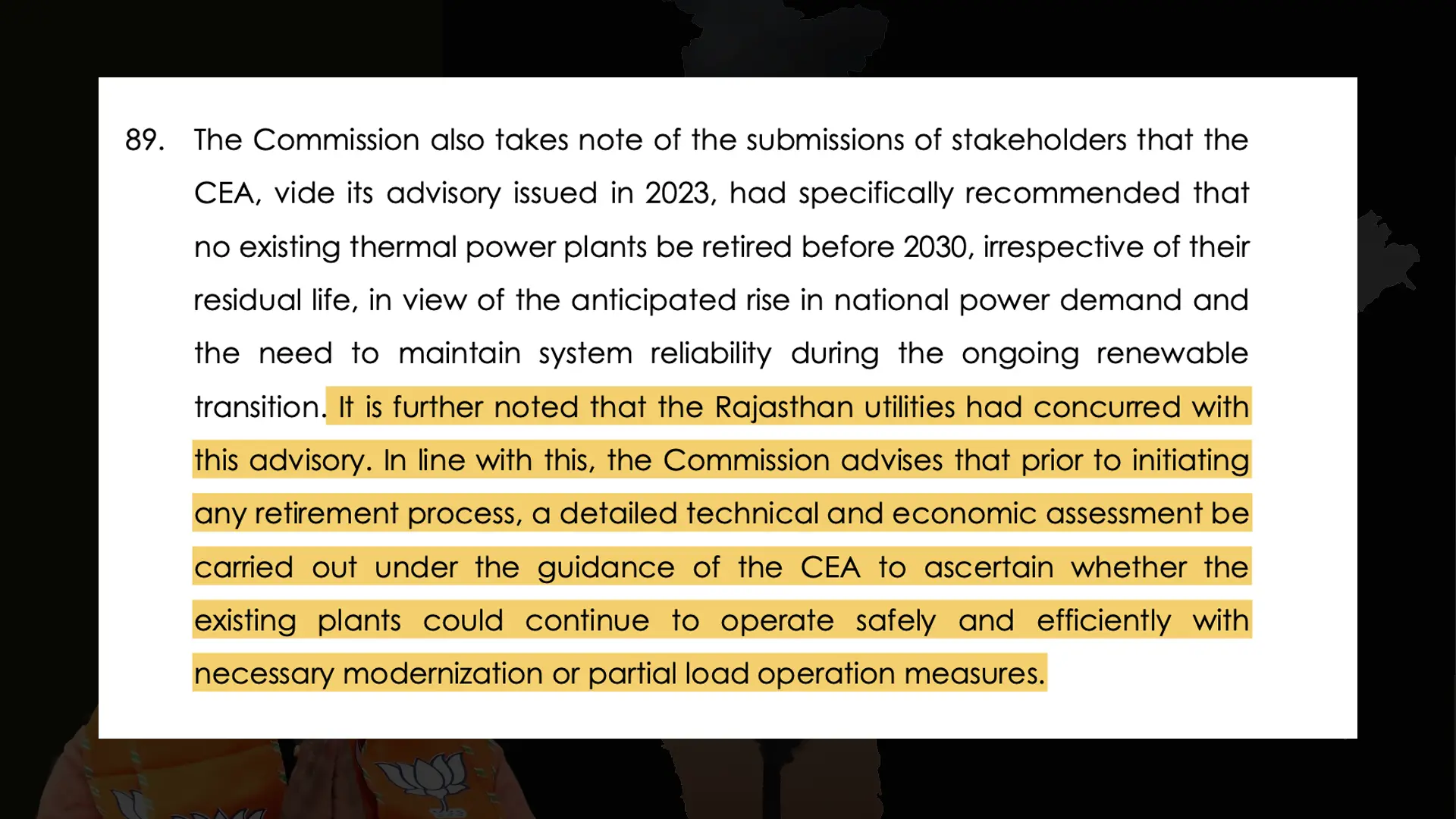
The regional commission was critical of these claims. It said, “prior to initiating any retirement process, a detailed technical and economic assessment be carried out under the guidance of the CEA to ascertain whether the existing plants could continue to operate safely and efficiently with necessary modernization or partial load operation measures.”
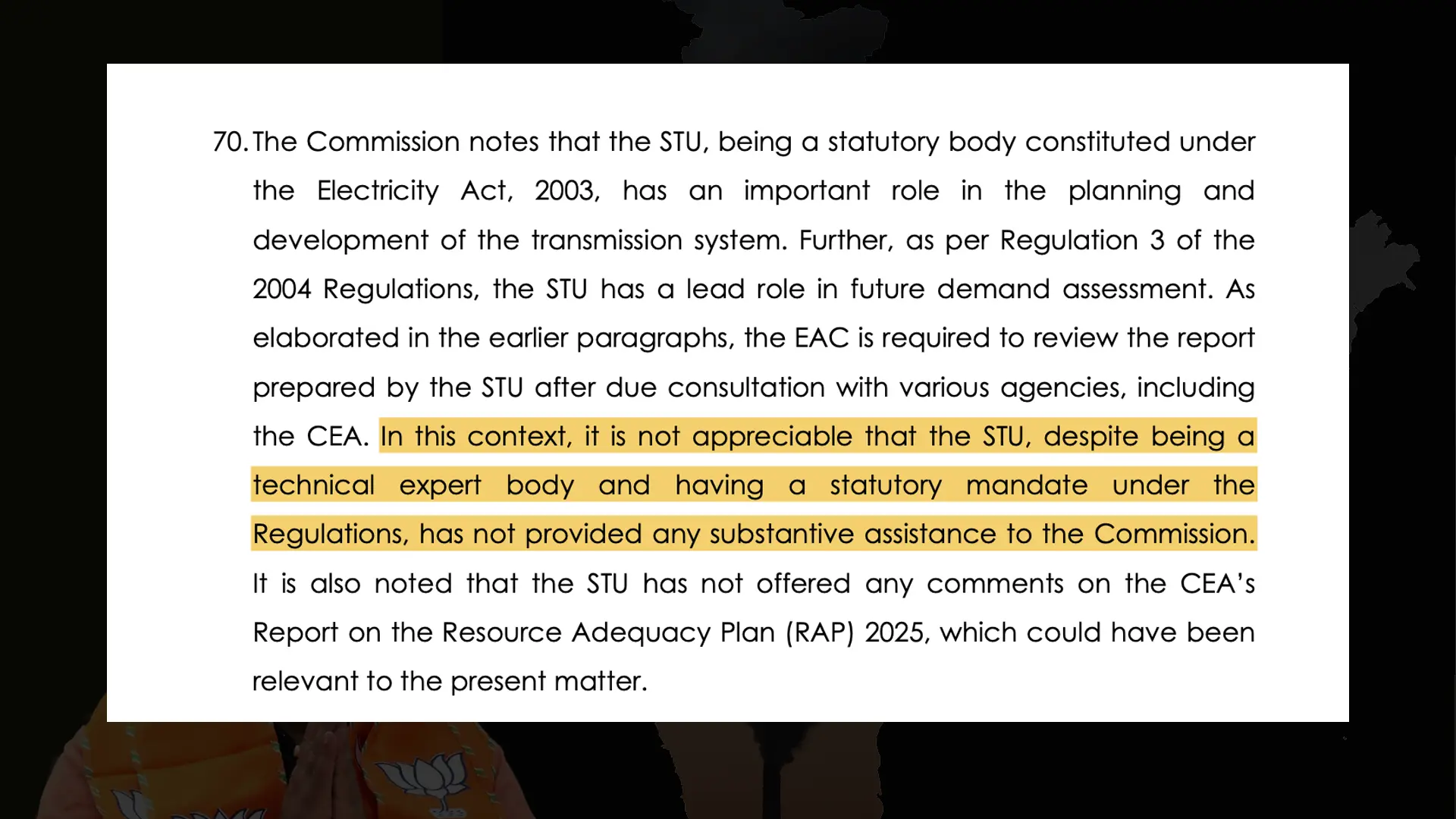
The regulator also pulled up Rajasthan Vidyut Prasaran Nigam (RVPN), the state transmission utility, for not providing “any substantive assistance” during the hearings. “It is also noted that the utility has not offered any comments on the CEA’s (RAP), which could have been relevant to the present matter,” the order said.
In Great Hurry
Our earlier investigation had shown that the state’s Rajasthan Urja Vikas and IT Services Limited (RUVITL) had published the 3,200 MW tender on October 1, 2025, without securing the mandatory approval from the RERC, for which proceedings were ongoing at the time.
During the proceedings at the state regulator’s final order hearing, stakeholders pointed out how RUVITL’s publishing of the tender documents prior to receiving RERC’s approval “constitutes a gross violation” of the Power Ministry’s guidelines on long-term procurement of thermal energy. The commission did not record any comment on this matter.
But…
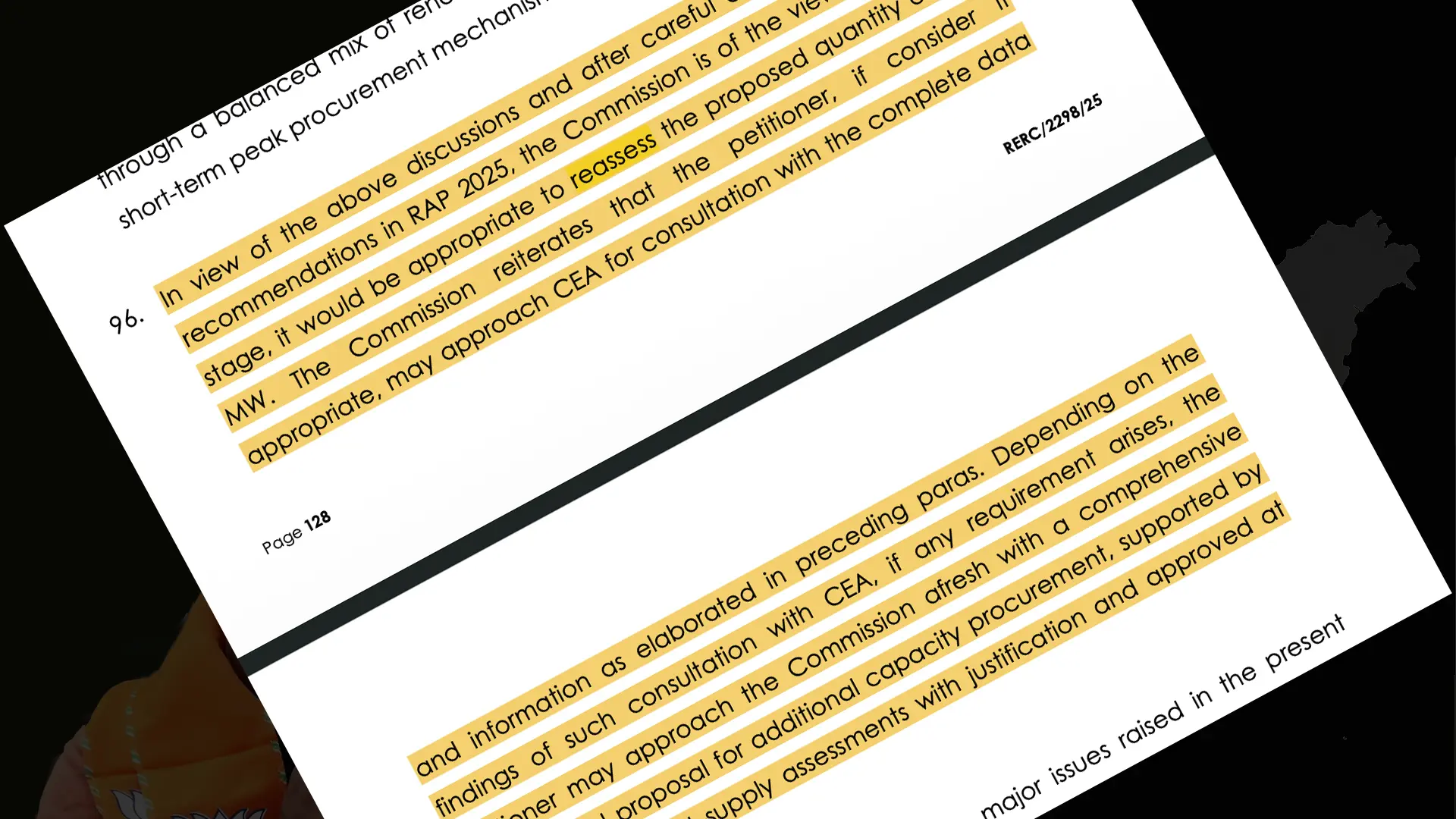
After all the criticism, the regional regulator did leave a window open for Rajasthan to continue with its lobbying efforts that aligned with Adani Group’s plans. It told Rajasthan to consult with the CEA and “reassess the proposed quantity” of power capacity. The commission noted that RUVITL could file a fresh petition only after coming up with a “comprehensive and justified proposal”.
Rajasthan was quick on its feet. Within six days it wrote to the Central Electricity Authority.
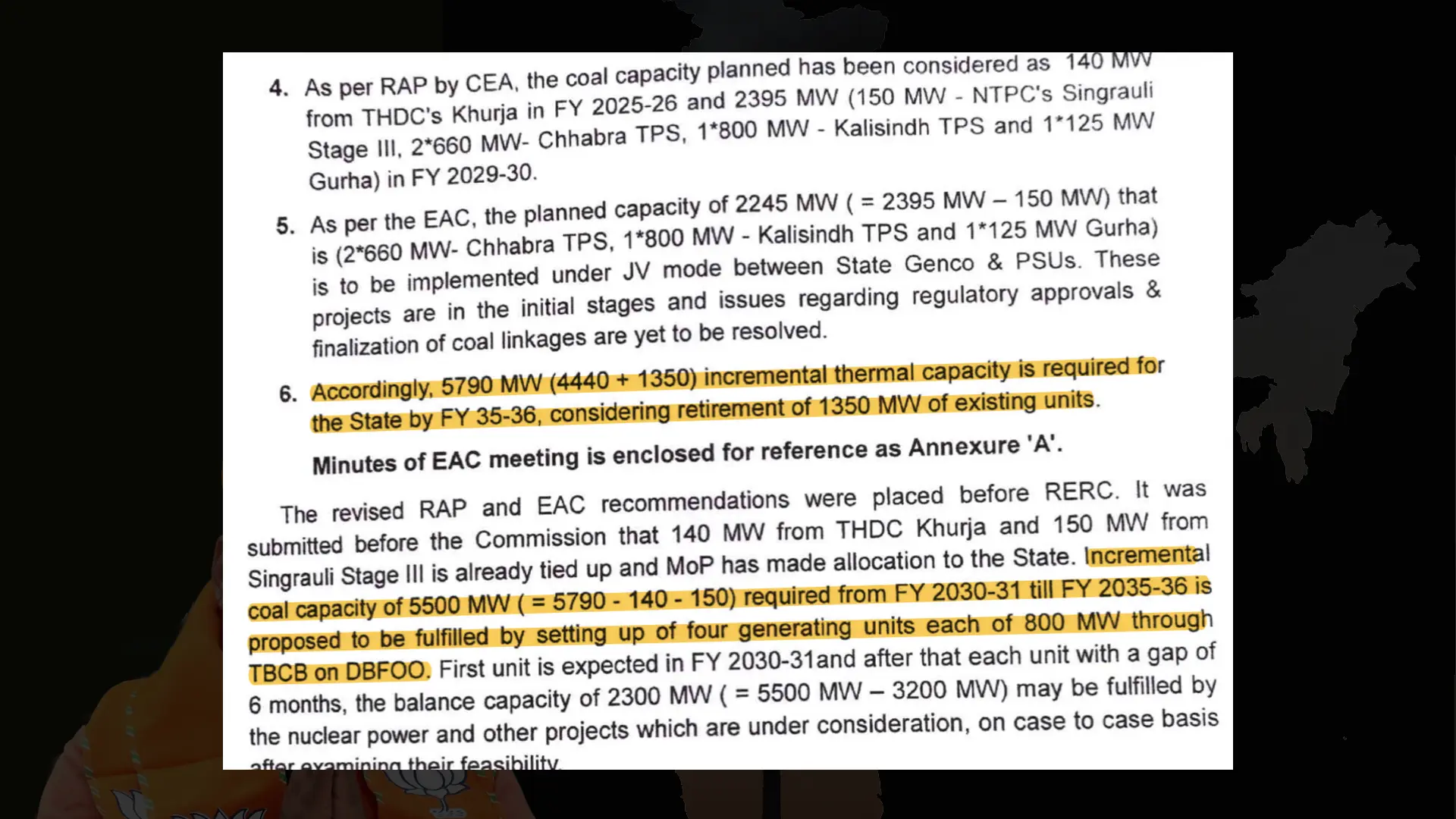
It challenged the June 2025 Resource Adequacy Plan (RAP) for the state and asserted that its unplanned capacity is not 1,905 MW but 5,500 MW.
In its letter to CEA, the RUVITL said 2,245 MW of planned capacity was at “initial stages” with unresolved regulatory and coal linkage issues. It factored in another 1,350 MW of existing state-sector coal capacity as proposed for retirement by 2030.
In response, the CEA on November 27 noted that the Rajasthan government itself told the planning body that 2,535 MW had been “planned/identified” at the time of RAP preparation. It added that the state also did not provide any information on the proposed retirements for the planning exercise, which is conducted in close coordination with state-owned utilities.
The CEA concluded that after considering the new retirement plans, the requirement of coal-based capacity “may increase, for which a detailed analysis would be required to be carried out”.
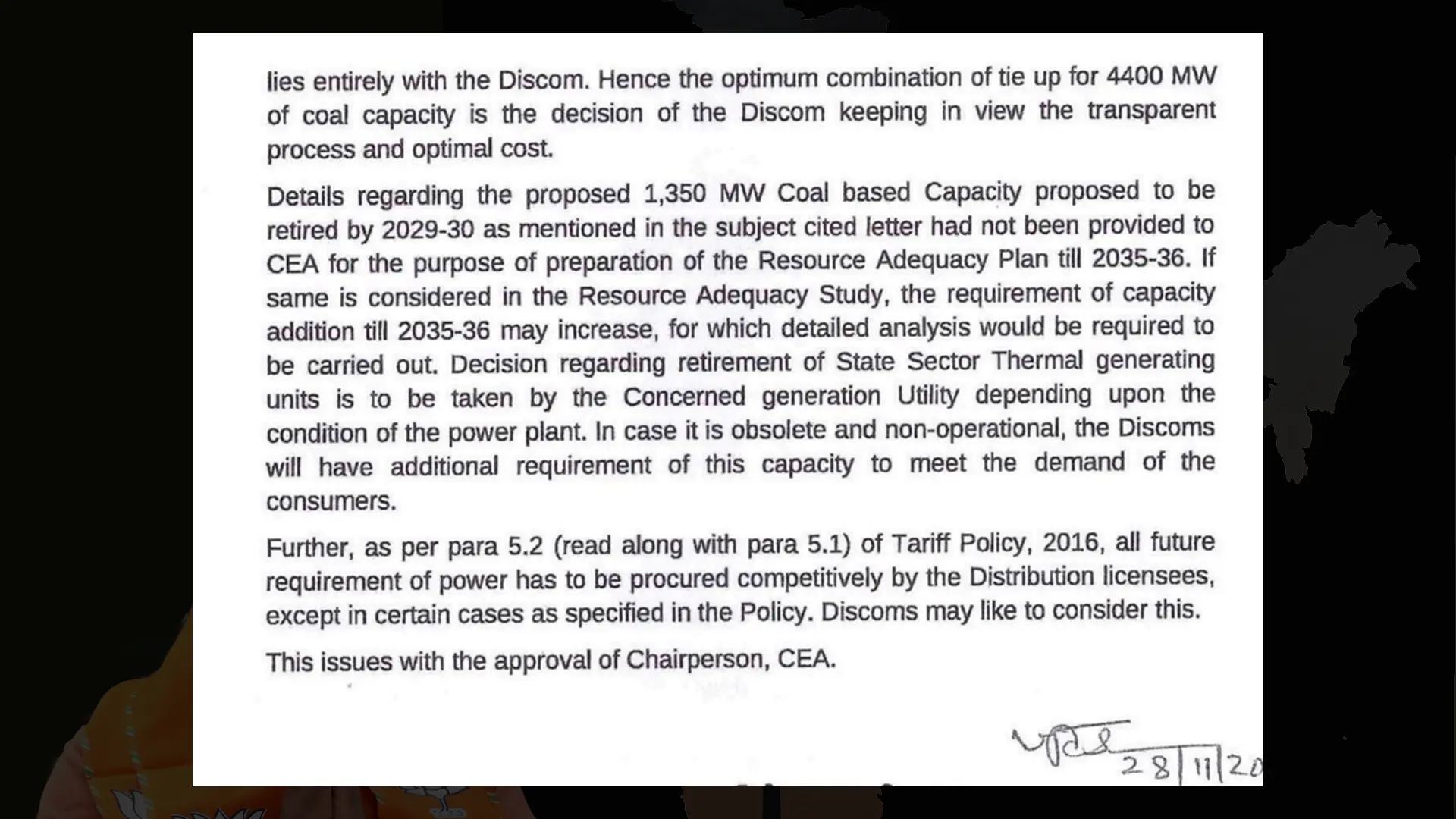
Any report of such a detailed analysis is not yet available in the public domain. Nor did the Rajasthan government attach such a detailed analysis in its revised submissions to the state regulator.
But, Rajasthan now has now taken this letter from CEA and gone back to the state regulator for approval of the proposed 3,200 MW power plant.
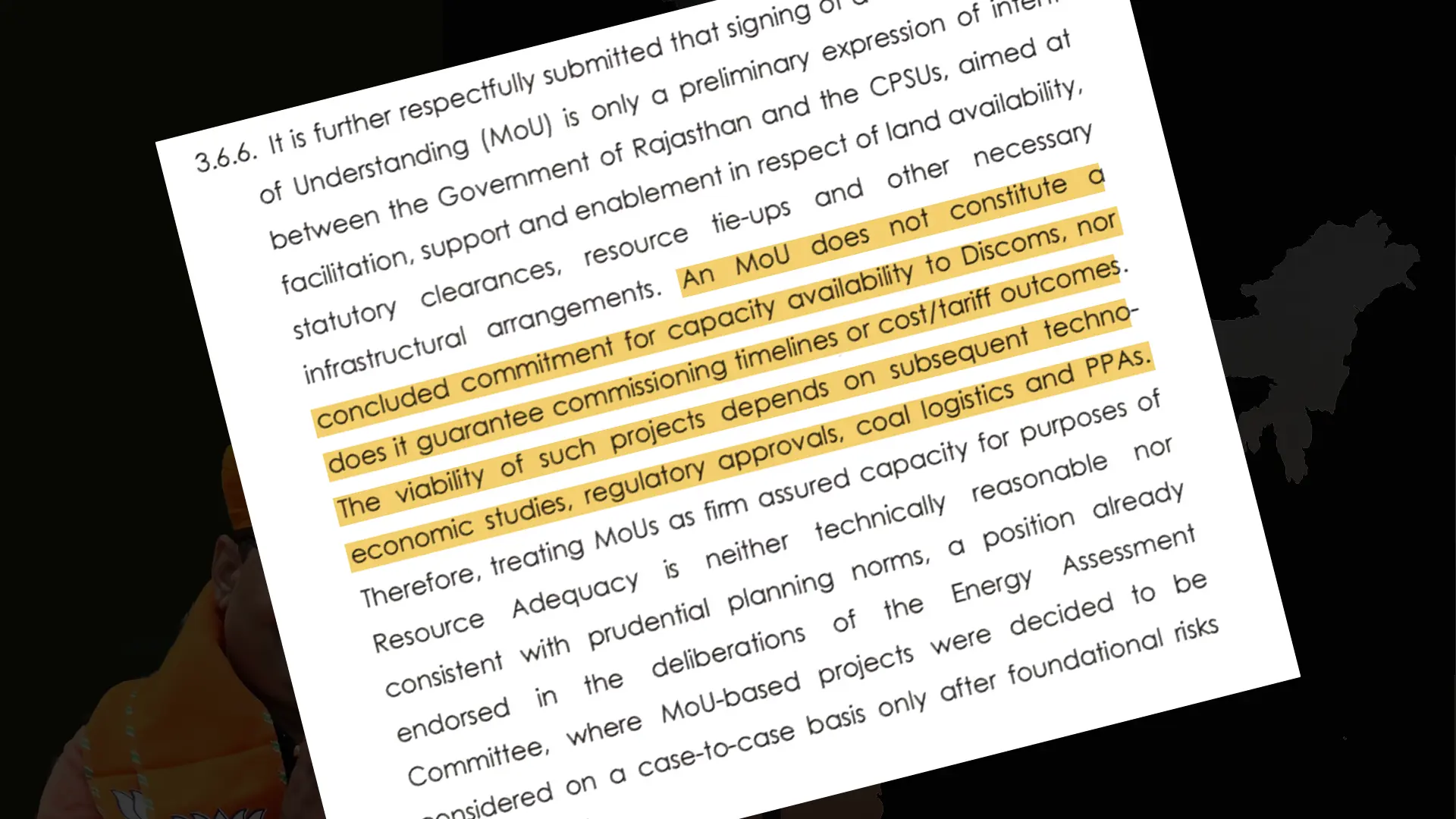
On disregarding the planned capacities proposed through MoUs with central PSUs, RUVITL said, “An MoU does not constitute a concluded commitment for capacity availability to the Discoms… the viability of such projects depends on subsequent techno-economic studies, regulatory approvals, coal logistics and PPAs.”
We found that the 1,350 MW capacity Rajasthan wants to retire includes five units at Kota Super Thermal Power Station and two at Suratgarh Super Thermal Power Station. While the Kota units would complete between 41-52 years of operations by 2035 and the Suratgarh units between 25-27 years, Rajasthan Rajya Vidyut Utpadan Nigam Ltd (RVUNL), the operator, is already carrying out repairs and maintenance (R&M) works to extend their their operational lives.
Rajasthan’s plans to retire some of these plants contradicts the position it had taken earlier before the CEA on November 14. Another state government power producing company which operates these plants had requested they not be retired, stating they are “performing well” and supplying energy at “reasonably lower tariff”. The state-owned company (RUVNL) has carried out and planned repairs with "significant financial impact” to keep them running “up to 2030 and beyond”, documents attached to the petition show.
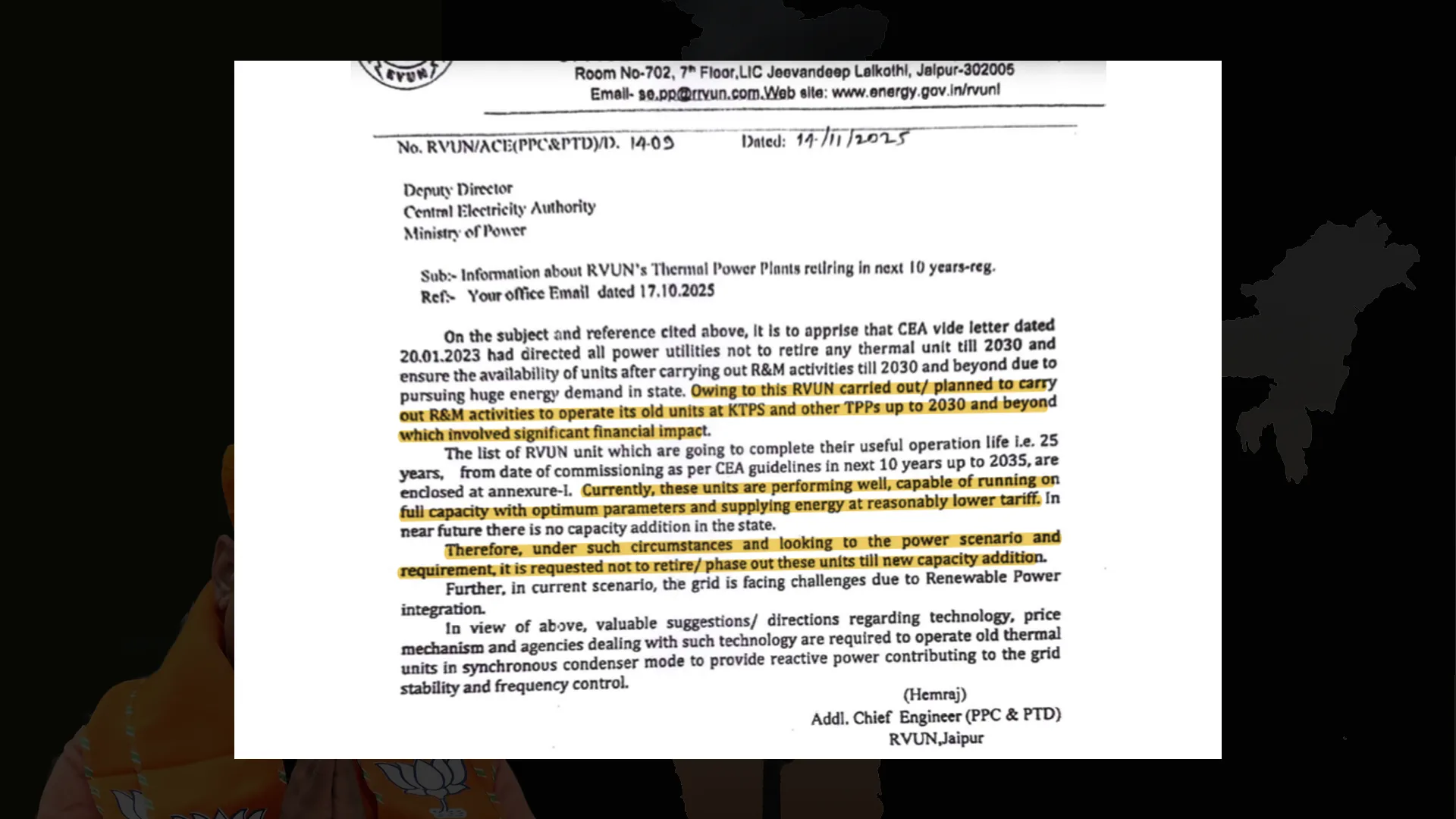
Now, in its review petition before the state regulator, one arm of the Rajasthan government has contradicted the other. RUVITL has claimed that there is “no available option except to retire (Kota) units” as they lack the space to install mandatory cooling towers and other emissions control equipment required by Environment Ministry rules.
Besides highlighting difficulties in achieving environmental compliance in some units, the review petition falls short of providing a “detailed technical and economic assessment” for retiring the entire 1,350 MW capacity, as demanded by the RERC in its November 18 order.
After a brief first hearing on January 13, the review petition will be posted again before the RERC on January 27. The tender needs to be approved by the commission as it deviates from model bidding guidelines.
Sidelining Nuclear, Renewables
On September 28, 2025, Prime Minister Narendra Modi had inaugurated the 2,400 MW nuclear project at Mahi Banswara in Rajasthan, of which half the capacity is allocated to the state for its power needs.
In its November 18 order, the RERC had noted that if the 1,400 MW capacity from the nuclear plant was also considered in the CEA’s Resource Adequacy Plan, requirement for additional new capacity “might not have arisen at all even by 2035-36 and, even after accounting for reasonable slippages in commissioning schedules or capacities of the upcoming projects.” Hence, it demanded RUVITL consider the project in its demand-supply assessment.
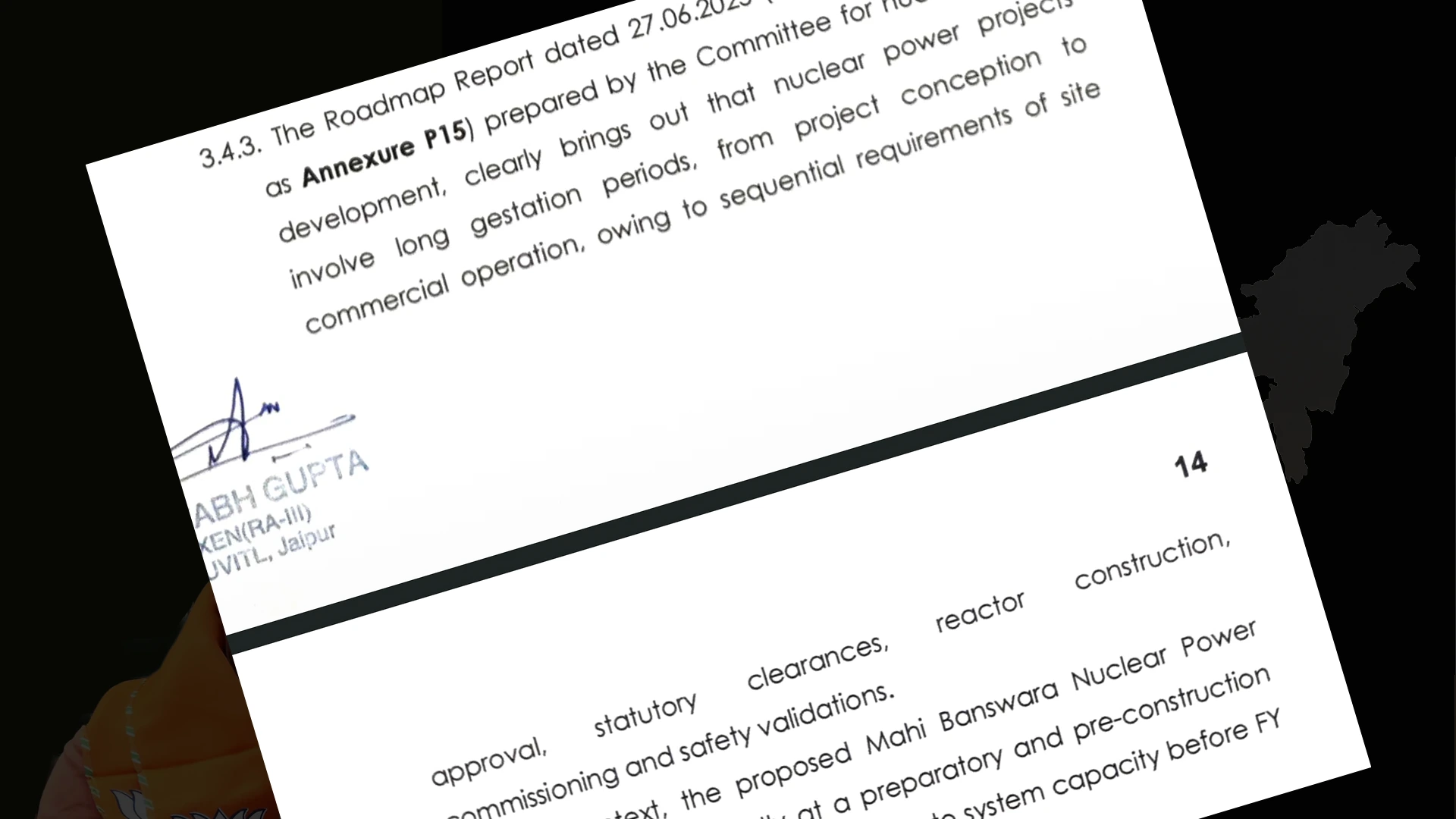
However, in its review petition, RUVITL dismissed the nuclear project for being at a “preparatory and pre-construction stage”, and claimed it would come online only after 2035-36. In 2018, the project was expected to be commissioned by 2031.
The review petition also downplays capacity expansion in renewable energy and battery storage, claiming that coal will continue to remain king to justify the massive 3,200 MW tender. “(E)ven under an RE/BESS-heavy future, firm coal-based capacity remains an essential backbone for long-term adequacy, grid stability and inertia, particularly in a high-RE State like Rajasthan,” the review petition said.
The petition further questioned the role of battery energy storage systems (BESS) in addressing the intermittency of renewables—“BESS currently approved in Rajasthan is 6000 MWh, with 2-4-hour discharge durations only. Technology maturity, degradation and lifecycle uncertainties remain high over 12-year PPA periods. BESS supports peak hours but cannot substitute 24x7 thermal generation.”
Read our previous report on how the 3,200 MW tender is tailored to the Adani Group’s plans in Rajasthan’s Kawai.